
Seismic risk in Portugal: where is it safest to buy?
Seismic risk in Portugal by region and building era: which areas carry the most earthquake risk, the insurance gap, and how to check a property before you buy.
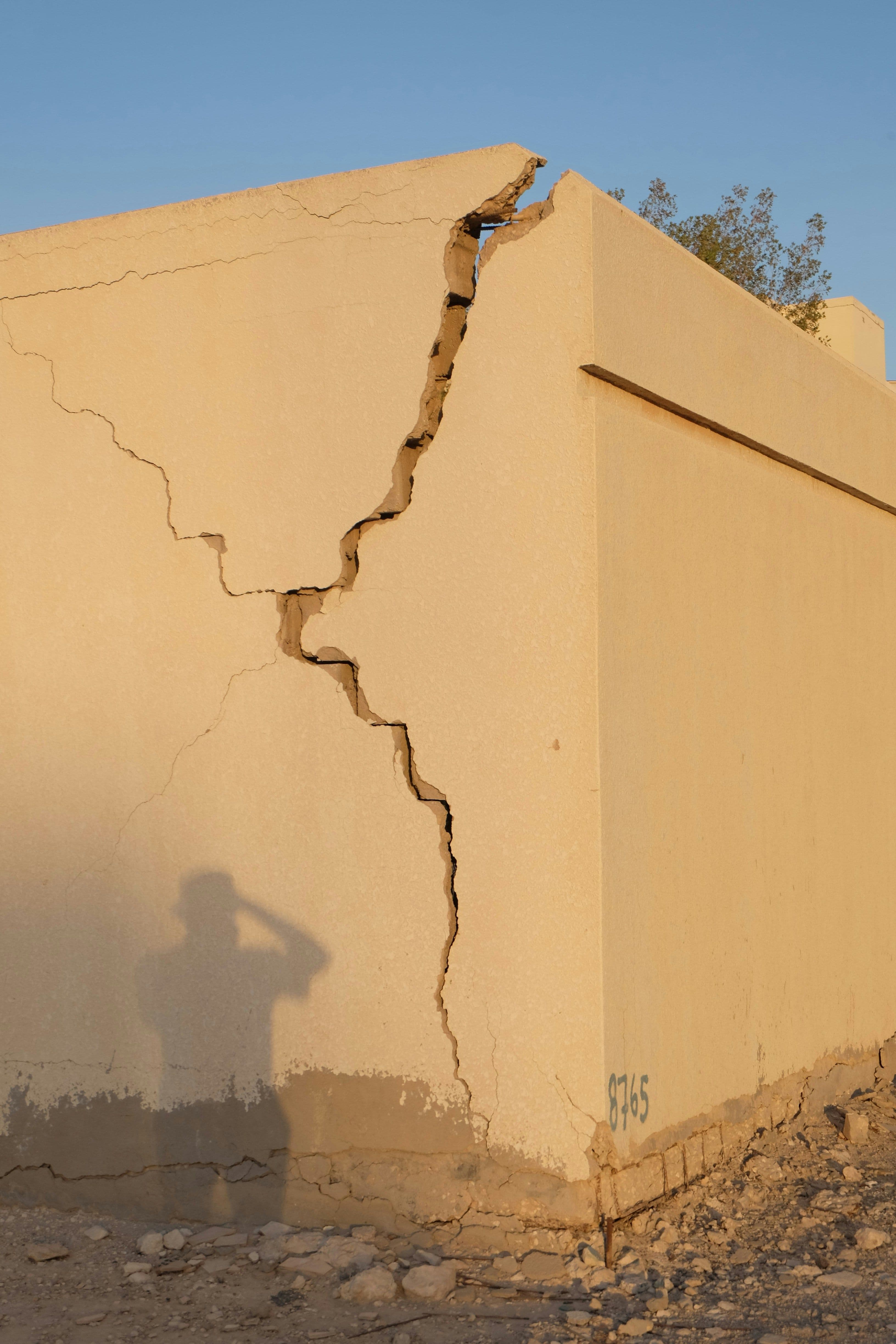
Portugal sits on an active seismic boundary, and most of its buyers never check what that means for the address they are about to sign for. On 19 February 2026, two magnitude 4.1 earthquakes struck near Alenquer in Greater Lisbon, the largest felt in the region in nine years (IPMA). They caused no damage, but they were a reminder: 68% of Lisbon's building stock predates modern seismic codes (CML), and fewer than one in five homes in Portugal carry earthquake insurance (industry data). Structural repairs after a significant quake can run from €5,000 to €50,000. This guide maps seismic exposure by region and building era, explains the insurance gap, and shows how the HomeOS Seismic Risk tool returns a damage probability and retrofit cost for a specific property.
Table of Contents
- How much earthquake risk does Portuguese property carry?
- Which regions and building types are most exposed?
- Are Portuguese homes insured against earthquakes?
- How does the HomeOS Seismic Risk tool answer this?
- What should a buyer do about seismic risk?
- Frequently Asked Questions
How much earthquake risk does Portuguese property carry?
Mainland Portugal faces real seismic hazard concentrated in the south and the Lisbon and Algarve coasts, a legacy of the fault system that produced the 1755 Lisbon earthquake.
The risk is not theoretical. The 1755 Lisbon earthquake remains one of the deadliest in European history, and the same offshore fault system is still active. On 19 February 2026, two magnitude 4.1 tremors near Alenquer were felt across Greater Lisbon, the strongest in nine years according to IPMA, the national weather and seismic institute. No buildings fell, yet the event put the question back on the table for anyone buying in the capital region.
Portugal's hazard comes mainly from the southwest Iberian margin offshore, the same source as 1755, with onshore faults around the Lower Tagus valley near Lisbon adding to it. Most activity is low magnitude, felt but not damaging, punctuated by rare large events. For a buyer, that is the worst pattern to ignore: quiet for long stretches, then consequential. The data to price it exists; most buyers never look.
Hazard in Portugal is uneven. The mainland south and the Lisbon and Setúbal area carry higher exposure than the north, the Algarve sits near the active offshore boundary, and the Azores add a separate volcanic and seismic profile. A buyer choosing between Porto and the Setúbal peninsula is, without realising it, choosing between two different risk levels. Reading the hazard before you choose the address is the point of this guide.
Which regions and building types are most exposed?
Older buildings carry the most seismic risk: 68% of Lisbon's stock predates modern seismic codes and was built with little or no seismic design (CML).
Two factors drive a property's exposure: where it stands and when it was built. On location, the higher-hazard zones cluster in the south and along the Lisbon, Setúbal, and Algarve coasts, while the interior north is comparatively calmer. The Azores are a case of their own, with volcanic activity layered on top of seismic movement.
Building era is the factor a buyer can read from a listing. Portugal only introduced serious seismic design rules in the second half of the twentieth century, and tightened them again later, so the year of construction is a rough proxy for how a building would behave in a quake. In Lisbon, 68% of the building stock predates modern seismic codes (CML), which means a large share of the city's apartments were built with little or no seismic provision. That does not make them unsafe to buy, but it does make the structural question worth asking. The depth of that question, how a specific structure was engineered and whether it needs strengthening, belongs to a physical inspection rather than a data lookup, and we point you there at the end.
On the ground, that translates into specifics. Older masonry apartments in central Lisbon, the Algarve's historic coastal town centres, and parts of the Setúbal peninsula sit at the higher end; newer developments built to current codes sit lower, wherever they stand. Two flats on the same street can differ if one was rebuilt and the other never touched. Age narrows the question, the address answers it.
Are Portuguese homes insured against earthquakes?
Fewer than one in five homes in Portugal carry earthquake cover, and a proposed national catastrophe-insurance regime, the PTRR, is not yet law.
This is the gap most buyers miss. Earthquake cover is not automatic in a standard Portuguese home insurance policy, and around 19% of buildings carry it (industry data). The result is a country with real seismic hazard and thin financial protection against it. After a major event, most owners would face repair bills with no insurer behind them.
Part of the gap is design. A standard multi-risk home policy in Portugal often treats earthquake cover as an optional extension rather than a default, so owners who never opt in stay uncovered without realising it. After the January 2026 Storm Kristin episode, when 49% of affected homes carried no storm cover (insurance industry), the pattern of underinsurance against natural catastrophe was already on display.
The government has noticed. In April 2026 it announced the PTRR (Portugal + Preparado), a proposed mandatory catastrophe and seismic insurance regime, as part of a wider €22.6 billion preparedness plan. As of now it is a proposal, not law, so it changes nothing for a purchase today. What it signals is direction: seismic cover is moving from optional to expected, and a buyer weighing an older building in a higher-hazard zone should price insurance, or its absence, into the decision. In the meantime, the practical move is simple: ask whether the policy on a property includes seismic cover, and if it does not, get a quote for adding it before you complete.
How does the HomeOS Seismic Risk tool answer this?
The HomeOS Seismic Risk tool returns a property-level damage probability and an estimated retrofit cost, built on the ESHM20 hazard model and LNEC data.
Regional maps tell you about a zone. A purchase is about one address. The HomeOS Seismic Risk tool closes that gap: you enter a property, and it returns a damage-probability estimate and a retrofit cost range for that location and building profile. It draws on the 2020 European Seismic Hazard Model (ESHM20) and data from LNEC, the national civil engineering laboratory, rather than a generic colour-coded zone.
Reading the result is straightforward. The damage probability tells you how likely meaningful structural damage is for that building profile at that location; the retrofit cost range tells you roughly what bringing it to a safer standard would cost. A low probability with a modest retrofit band points to a property you can treat like any other. A high probability with a steep band is a negotiation point, or a reason to keep looking.
The tool is the data layer of the decision. It tells you how exposed an address is and roughly what strengthening might cost, so you can compare two properties on risk the way you would compare them on price. It does not open up walls or certify a structure; that is the physical layer, and it sits with a structural inspection. Use the tool to decide which properties deserve that closer look.
Check a specific address before you make an offer. The Seismic Risk tool returns a damage probability and retrofit cost estimate for the property.
→ Use the Seismic Risk tool: property-level damage probability and retrofit cost
What should a buyer do about seismic risk?
Use the data to shortlist, then confirm a specific building with a structural inspection, and factor retrofit and insurance into the true cost of the purchase.
Seismic risk is one input among several, and it works best early. Run the address through the Seismic Risk tool while you are still comparing options, alongside the other location factors covered in our Algarve vs Lisbon data comparison. If the tool flags a high-exposure property you still want, the next step is physical: a structural engineer confirms how the specific building would behave and whether it needs strengthening. InspectOS covers that in its structural and seismic inspection guide.
Then fold the numbers into the budget. Retrofit costs and earthquake insurance are part of the true cost of owning the property, not an afterthought, and an older building in a higher-hazard zone carries both. For anyone buying remotely, the tool matters more, because you cannot stand in the building yourself and a structural inspection is your only other set of eyes. Seismic exposure should not necessarily stop a purchase, but it should be a number you have seen, not a surprise you meet later.
This is general information, not structural or insurance advice. Confirm a specific property with a qualified professional.
Frequently Asked Questions
How safe is it to buy property in Lisbon given the earthquake risk?
Lisbon sits in a higher-hazard zone and 68% of its buildings predate modern seismic codes (CML), so the structural question matters more than in lower-risk regions. It does not mean you should not buy, but you should check an address with a seismic risk tool and, for an older building, confirm the structure with an inspection.
Which areas of Portugal have the highest seismic risk?
Exposure concentrates in the south and along the Lisbon, Setúbal, and Algarve coasts, near the active offshore fault system, while the interior north is comparatively lower. The Azores carry a separate volcanic and seismic profile. Risk varies property by property, which is what an address-level tool is for.
Is earthquake insurance mandatory in Portugal?
No. Earthquake cover is optional and only around 19% of buildings carry it (industry data). The government proposed a mandatory catastrophe and seismic insurance regime, the PTRR, in April 2026, but it is not yet law. For now, check whether a policy includes seismic cover, because many do not.
Does an older building always mean higher seismic risk?
Older buildings predating modern seismic codes generally carry more risk, but age is only a proxy. Construction method, maintenance, and any past strengthening all matter. The year of construction tells you whether to look closer; only a structural inspection tells you how the specific building would actually perform.
What does the HomeOS Seismic Risk tool show?
It returns a property-level damage probability and an estimated retrofit cost, based on the ESHM20 European hazard model and LNEC data. It turns a regional risk map into a number for one specific address, so you can compare properties on seismic exposure before you make an offer.
Conclusion
Portugal carries real seismic risk, it is uneven across the country, and most homes are not insured against it. The 19 February 2026 tremors near Lisbon were a small reminder of a large fault. Before you commit to an address, check its exposure with the Seismic Risk tool, confirm an older building with a structural inspection, and price retrofit and insurance into the purchase. The risk is manageable when you have seen the numbers.
Updated July 2026 | HomeOS Portugal Reviewed by [REVIEWER NAME, CREDENTIAL]
Sources: IPMA (19 February 2026 M4.1 earthquakes near Alenquer, largest in nine years); Câmara Municipal de Lisboa / Programa ReSist (68% of Lisbon buildings predate seismic codes); industry data (around 19% earthquake insurance coverage); PTRR (Portugal + Preparado) proposal, April 2026, within a €22.6 billion plan, not yet law; ESHM20 (2020 European Seismic Hazard Model) and LNEC (tool basis); 1755 Lisbon earthquake (historical context).